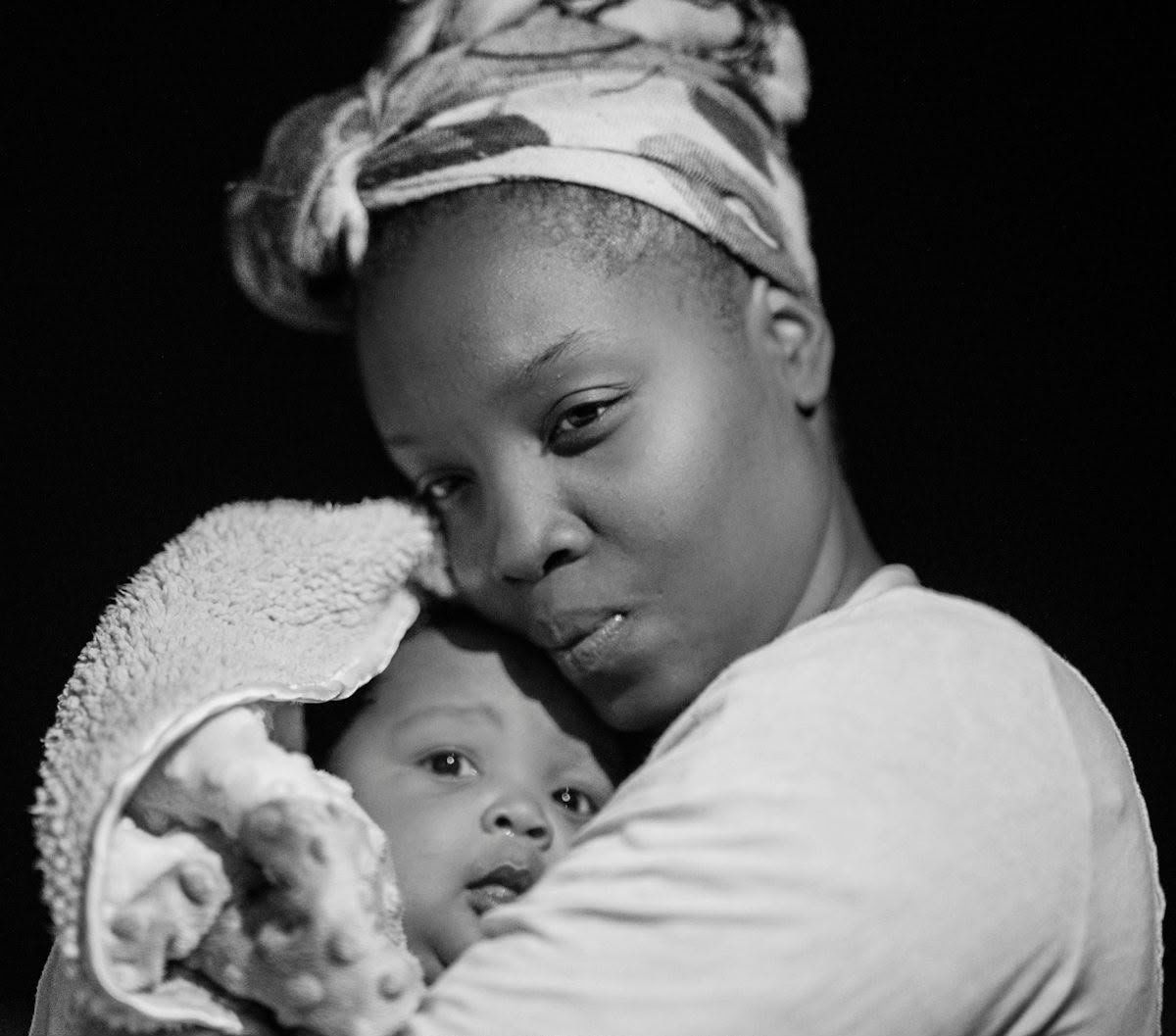
A seven-year-old girl arrives at the clinic with her third painful crisis this year. Her mother asks what many Nigerian clinicians hear every week: can anything stop this from happening? For many children, the answer is hydroxyurea for sickle cell disease, a drug with decades of evidence behind it.
In May 2026, the World Health Organization (WHO) recommended hydroxyurea for all children and adolescents with sickle cell anaemia, from 9 months to 19 years of age (1). However, Nigeria’s national guideline once estimated that fewer than 1% of people living with sickle cell disease were receiving it (2).
This guide covers who should receive hydroxyurea, how to dose it and what to monitor. It also compares Nigerian guidance with international recommendations. As you read, you can check doses in the Medituri Comprehensive Drug Database.
What is hydroxyurea, and how does it work in sickle cell disease?
Hydroxyurea is an oral, disease-modifying drug. It raises fetal haemoglobin (HbF), which stops red blood cells from sickling (3). As a result, it reduces painful crises and the need for blood transfusions (3).
The UK and some formularies list it as hydroxycarbamide. In fact, it is the same drug.
HbF is only part of the story, though. In trials, hydroxyurea also lowered white cell and reticulocyte counts and raised total haemoglobin (4). Together, fewer white cells and less anaemia may explain why crises, acute chest syndrome and transfusions decrease.
Who should be offered hydroxyurea for sickle cell disease?
Every child and adolescent with sickle cell anaemia aged 9 months to 19 years should be offered hydroxyurea, regardless of disease severity. This is a strong recommendation in WHO’s first guideline on sickle cell disease in children and adolescents (1). WHO rates the certainty of evidence as low. In addition, starting at 9 months leaves time to confirm the diagnosis (1).
For adults, the 2014 NHLBI expert panel recommends hydroxyurea for sickle cell anaemia when any of these apply (5):
- Three or more moderate to severe pain crises in 12 months.
- Severe or recurrent acute chest syndrome.
- Severe symptomatic chronic anaemia that affects daily life.
- Sickle cell pain that interferes with daily activities or quality of life.
For HbSC and HbSβ+ thalassaemia, the panel advises consulting a sickle cell specialist first, since these patients need the drug less often (5).
How strong is the evidence for hydroxyurea in sickle cell disease?
Five landmark trials show that hydroxyurea reduces crises and complications without raising infection or malaria risk. Three of these trials took place in Africa. The table summarises them.
| Trial | Who and where | Key finding |
|---|---|---|
| MSH, 1995 (6) | 299 adults with 3 or more crises in the previous year | Crises fell from 4.5 to 2.5 per year; acute chest syndrome fell from 51 to 25 cases; the trial stopped early for benefit |
| BABY HUG, 2011 (7) | 193 infants aged 9 to 18 months | Fewer pain events (177 vs 375) and dactylitis events (24 vs 123) than placebo |
| NOHARM, 2017 (4) | 207 children in Uganda | No increase in malaria; clinical complications in 45% vs 69% on placebo |
| REACH, 2019 (8) | 606 children aged 1 to 10 in four African countries | Vaso-occlusive pain, infection, malaria, transfusion and death all fell after starting hydroxyurea |
| SPRING, 2022 (9) | 220 children aged 5 to 12 with abnormal TCD in Nigeria | Similar stroke rates at 10 and 20 mg/kg/day; fewer hospital admissions at 20 mg/kg/day |
For clinicians in West Africa, REACH matters most. After children started hydroxyurea, vaso-occlusive pain fell from 98.3 to 44.6 events per 100 patient-years (8). Similarly, deaths fell from 3.6 to 1.1 per 100 patient-years.
Moreover, 94.2% of children were still in the study at 3 years (8). In other words, families in African settings can stay on treatment.
What is the correct dose of hydroxyurea for sickle cell disease?
Start children at 20 mg/kg/day and adults at 15 mg/kg/day, given once daily. Then increase the dose by 5 mg/kg/day every 8 weeks until you reach mild myelosuppression or a maximum of 35 mg/kg/day (5,10). The table sets out the 2014 NHLBI approach alongside the US prescribing information.
| Dosing step | Recommendation |
|---|---|
| Starting dose, infants and children | 20 mg/kg/day (5,10) |
| Starting dose, adults | 15 mg/kg/day, rounded up to the nearest 500 mg (5) |
| Weight to use | Actual or ideal body weight, whichever is less (10) |
| Dose increases | 5 mg/kg/day every 8 weeks, only if blood counts are acceptable (5,10) |
| Target | Mild myelosuppression: absolute neutrophil count (ANC) 2,000 to 4,000/µL (5) |
| Maximum dose | 35 mg/kg/day (5,10) |
| Chronic kidney disease, adults | Start at 5 to 10 mg/kg/day (5); the US label halves the dose if creatinine clearance is below 60 mL/min (10) |
In practice, weight-based dosing is hard for small children when only 500 mg capsules are available. For this reason, WHO has made hydroxyurea the first focus of its push for child-friendly, quality-assured sickle cell medicines (11).
Until those formulations arrive, the Medituri Paediatric Dose Calculator helps you work out the mg/kg dose quickly.
How should patients on hydroxyurea be monitored?
Check a full blood count with differential and a reticulocyte count at least every 4 weeks while you increase the dose (5). Then, once the dose is stable, check every 2 to 3 months. However, the US label for one brand advises checks every 2 weeks during treatment (10), so follow your local protocol.
Stop the drug until counts recover if they fall below these thresholds (10):
- ANC below 2,000/µL
- Platelets below 80,000/µL
When the counts recover, restart at 5 mg/kg/day below the previous dose (10). In other words, treat a hold as routine dose-finding, not as a reason to give up on the drug.
How long does hydroxyurea take to work?
Response takes 3 to 6 months. Therefore, give the maximum tolerated dose a full 6-month trial before you call it a failure (5).
Meanwhile, track HbF and MCV as markers of response. Still, the panel says that a lack of rise alone is no reason to stop (5). Finally, remind patients that the drug only works if they take it every day, and that they should never double a missed dose (5).
What are the side effects of hydroxyurea?
The main side effect is bone marrow suppression, so blood count monitoring is essential. In addition, the US label carries a boxed warning for severe myelosuppression and for malignancy, because hydroxyurea is carcinogenic (10). Other effects include (2,7,10):
- Neutropenia, mostly mild to moderate in the BABY HUG trial (7)
- Infections, headache and dry skin in adults (10)
- Darkening of the nails (2)
- Nausea, vomiting and diarrhoea (2)
- Leg ulcers; reduce the dose or stop if they develop (10)
- Macrocytosis, which is expected and can mimic B12 or folate deficiency; the label recommends prophylactic folic acid (10)
In line with the label’s cancer warning, advise patients to protect their skin from the sun (10).
That said, serious toxicity was uncommon in the large African trials. Dose-limiting laboratory toxicities affected 5.1% of children in REACH (8). In SPRING, no child had to stop because of myelosuppression (9).
Does hydroxyurea increase the risk of malaria in Africa?
No. Because hydroxyurea lowers white cell counts, clinicians once feared it would raise malaria risk. Trials in malaria-endemic Africa have not borne this out.
In Uganda’s NOHARM trial, malaria incidence was 0.05 episodes per child per year on hydroxyurea and 0.07 on placebo (4). In fact, the difference was not significant.
REACH, the larger trial, went further. After children started hydroxyurea, malaria episodes fell from 46.9 to 22.9 per 100 patient-years (8).
Even so, Nigeria’s national guideline still recommends malaria prophylaxis for people with sickle cell disease (2). For example, it uses proguanil 100 mg daily for children up to 15 years and 200 mg daily for adults.
What drug interactions and vaccine issues matter with hydroxyurea?
Two issues need particular attention in Nigerian practice: live vaccines and some older HIV drugs. For a wider look at paediatric risks, see our guide to drug interactions in children.
First, the US label advises avoiding live virus vaccines during hydroxyurea treatment, because the vaccine virus may replicate and cause serious infection (10). Several routine childhood vaccines are live, including the measles and yellow fever vaccines. So plan vaccine timing with the treating team rather than skipping doses.
Second, the label warns of pancreatitis, liver toxicity and peripheral neuropathy when hydroxyurea is combined with the antiretrovirals didanosine and stavudine (10). Therefore, it advises avoiding this combination.
Before you add any new medicine, run the full list through the Medituri Drug Interaction Checker.
Can hydroxyurea be used in pregnancy and breastfeeding?
No. Hydroxyurea can harm a developing baby, and WHO notes that it is contraindicated in the first trimester (1). The 2014 NHLBI panel also advises stopping it during pregnancy and breastfeeding (5). Likewise, the US label states that patients should not breastfeed during treatment (10).
For this reason, contraception counselling is part of starting treatment. The label advises effective contraception during treatment and for at least 6 months after stopping (10). Moreover, this applies to women and to men with female partners who could become pregnant. In addition, WHO specifically calls for adolescents to receive contraception counselling (1).
How does Nigerian guidance on hydroxyurea compare with WHO and NHLBI?
Nigeria’s national guideline, published in 2014, is more conservative than both WHO and NHLBI. The table shows where they differ.
| Nigeria FMOH, 2014 (2) | NHLBI, 2014 (5) | WHO, 2026 (1) | |
|---|---|---|---|
| Who qualifies | More than 5 crises a year; or 3 to 4 crises plus high steady-state neutrophils or platelets; abnormal TCD; acute chest syndrome; stroke | All children with sickle cell anaemia from 9 months; adults with frequent crises, acute chest syndrome or severe anaemia | All children and adolescents with sickle cell anaemia, 9 months to 19 years, regardless of severity |
| Starting dose | 15 mg/kg/day | 20 mg/kg/day (children); 15 mg/kg/day (adults) | Not stated in the recommendation |
| Dose increases | 5 mg/kg/day every 3 to 4 weeks, up to 35 mg/kg/day | 5 mg/kg/day every 8 weeks, up to 35 mg/kg/day | Not stated in the recommendation |
| Pregnancy | Contraindicated, including in women trying to conceive | Stop in pregnancy and breastfeeding | Contraindicated in the first trimester |
Does the gap affect practice in Nigeria?
Yes. A 2023 survey of Nigerian clinicians, presented at the American Society of Hematology meeting, found that 73% prescribe hydroxyurea (12). However, only 31% frequently or always start it at 9 months. The authors linked this to the more conservative national guideline (12). Of course, these were preliminary results from the first 73 respondents.
Nigeria also has its own dosing evidence. Researchers ran the SPRING trial at three Nigerian teaching hospitals (9). It found that 20 mg/kg/day did not prevent more strokes than 10 mg/kg/day in children with abnormal TCD. Nevertheless, children on the higher dose had fewer hospital admissions.
With an estimated 150,000 babies born with sickle cell disease in Nigeria every year (13), the case for earlier, wider use is hard to ignore.
What is the bottom line on hydroxyurea for sickle cell disease?
Hydroxyurea for sickle cell disease is an oral, disease-modifying treatment with three decades of trial evidence, including large trials in Africa. WHO now recommends it for every child with sickle cell anaemia from 9 months of age (1).
So start at a weight-based dose, increase it steadily and monitor blood counts every few weeks. Also counsel patients on contraception. Above all, keep patients on treatment.
Check hydroxyurea dosing and interactions on Medituri
Before you write the next prescription, look up hydroxyurea in the Medituri Comprehensive Drug Database. Then check the patient’s other medicines in the Drug Interaction Checker.
Medituri is built for clinicians and students across Nigeria and West Africa. It is available on the web, on Android and on iOS.
Frequently asked questions about hydroxyurea for sickle cell disease
At what age should hydroxyurea be started in sickle cell disease?
Clinicians can start hydroxyurea from 9 months of age. WHO’s 2026 guideline strongly recommends it for all children and adolescents with sickle cell anaemia aged 9 months to 19 years, regardless of how severe their disease is. Starting at 9 months also leaves time to confirm the diagnosis before treatment begins.
What is the starting dose of hydroxyurea for sickle cell disease?
The usual starting dose is 20 mg/kg/day for children and 15 mg/kg/day for adults, given once daily. After that, the dose rises by 5 mg/kg/day every 8 weeks if blood counts allow, up to a maximum of 35 mg/kg/day. However, patients with chronic kidney disease need a lower starting dose.
How long does hydroxyurea take to work?
Hydroxyurea usually takes 3 to 6 months to show a clinical response. The 2014 NHLBI expert panel advises giving the maximum tolerated dose a full 6-month trial before calling it a failure. Clinicians track fetal haemoglobin and MCV, but a lack of rise alone is no reason to stop.
Does hydroxyurea increase the risk of malaria?
No. Trials in malaria-endemic Africa found no increase. For example, in Uganda’s NOHARM trial, malaria rates were similar on hydroxyurea and placebo. Furthermore, in the REACH trial across four African countries, malaria episodes fell from 46.9 to 22.9 per 100 patient-years after children started hydroxyurea.
Is hydroxyurea safe in pregnancy?
No. Hydroxyurea can harm an unborn baby and should not be used in pregnancy. According to the US prescribing information, women and men on hydroxyurea should use effective contraception during treatment and for at least 6 months after stopping. Anyone planning a pregnancy should first discuss stopping it with their haematologist.
What blood tests are needed while taking hydroxyurea?
Patients need a full blood count with differential and a reticulocyte count. The NHLBI panel advises testing at least every 4 weeks while the dose goes up, then every 2 to 3 months once stable. Hold the drug until counts recover if neutrophils fall below 2,000/µL or platelets below 80,000/µL.
References
- World Health Organization. WHO consolidated guidelines for the management of common childhood illness: management of sickle-cell disease in children and adolescents [Internet]. Geneva: World Health Organization; 2026 May 7 [cited 2026 Oct 9]. Available from: https://www.who.int/publications/i/item/9789240122666
- Federal Ministry of Health, Nigeria. National guideline for the control and management of sickle cell disease [Internet]. Abuja: Federal Ministry of Health; 2014 [cited 2026 Oct 9]. Available from: https://policyvault.africa/wp-content/uploads/policy/NGA60.pdf
- World Health Organization. Sickle-cell disease: fact sheet [Internet]. Geneva: World Health Organization; 2025 Aug 6 [cited 2026 Oct 9]. Available from: https://www.who.int/news-room/fact-sheets/detail/sickle-cell-disease
- Opoka RO, Ndugwa CM, Latham TS, Lane A, Hume HA, Kasirye P, et al. Novel use of hydroxyurea in an African region with malaria (NOHARM): a trial for children with sickle cell anemia. Blood. 2017;130(24):2585-93. doi:10.1182/blood-2017-06-788935
- Yawn BP, Buchanan GR, Afenyi-Annan AN, Ballas SK, Hassell KL, James AH, et al. Management of sickle cell disease: summary of the 2014 evidence-based report by expert panel members. JAMA. 2014;312(10):1033-48. doi:10.1001/jama.2014.10517
- Charache S, Terrin ML, Moore RD, Dover GJ, Barton FB, Eckert SV, et al. Effect of hydroxyurea on the frequency of painful crises in sickle cell anemia. N Engl J Med. 1995;332(20):1317-22.
- Wang WC, Ware RE, Miller ST, et al. Hydroxycarbamide in very young children with sickle-cell anaemia: a multicentre, randomised, controlled trial (BABY HUG). Lancet. 2011;377(9778):1663-72.
- Tshilolo L, Tomlinson G, Williams TN, Santos B, Olupot-Olupot P, Lane A, et al. Hydroxyurea for children with sickle cell anemia in sub-Saharan Africa. N Engl J Med. 2019;380(2):121-31. doi:10.1056/NEJMoa1813598
- Abdullahi SU, Jibir BW, Bello-Manga H, Gambo S, Inuwa H, Tijjani AG, et al. Hydroxyurea for primary stroke prevention in children with sickle cell anaemia in Nigeria (SPRING): a double-blind, multicentre, randomised, phase 3 trial. Lancet Haematol. 2022;9(1):e26-37. doi:10.1016/S2352-3026(21)00368-9
- US Food and Drug Administration. SIKLOS (hydroxyurea) tablets, for oral use: prescribing information [Internet]. Revised 2023 Nov [cited 2026 Oct 9]. Available from: https://www.accessdata.fda.gov/drugsatfda_docs/label/2023/208843s004lbl.pdf
- World Health Organization. WHO moves to expand access to lifesaving sickle cell treatment and care for children [Internet]. Geneva: World Health Organization; 2026 Sep 1 [cited 2026 Oct 9]. Available from: https://www.who.int/news/item/01-09-2026-who-moves-to-expand-access-to-lifesaving-sickle-cell-treatment-and-care-for-children
- Ibemere S, Onyeka T, Ezenwosu O, Okoye HC, Ugwu N, Tanabe PJ, et al. Sickle cell disease management practices across Nigeria: a cross-sectional analysis [abstract 1143]. American Society of Hematology 65th Annual Meeting; 2023 Dec 9 [cited 2026 Oct 9]. Available from: https://ash.confex.com/ash/2023/webprogram/Paper178129.html
- Federal Ministry of Health, Nigeria. Statement by the Permanent Secretary, Federal Ministry of Health, to mark the 2020 World Sickle Cell Day [Internet]. Abuja: Federal Ministry of Information and Culture; 2020 Jun 19 [cited 2026 Oct 9]. Available from: https://fmino.gov.ng/statement-by-the-permanent-secretary-federal-ministry-of-health-to-mark-the-2020-world-sickle-cell-day-19th-june-2020/